Toxic Mold Removal in Westlake, CA
Toxic mold removal starts with assessing growth and moisture in your property. Ask for a cleanup scope that explains what can stay and what needs removal.
- Moisture and damage checked
- Containment with HEPA filtration
- Cleanup based on site conditions

Toxic Mold Removal in Los Angeles County: What Is Included
You need an assessment that sets out access limits and affected materials and rooms ahead of cleanup.
Treat black mold as an appearance label, not an identification of species or risk. Mold color cannot show you its danger level. Guidance from CDC allows you to address indoor mold without determining the type first.
Ask for a scope that links every proposed task to what was observed. Confirm the rooms examined and the cavities still uninspected.
Common indoor mold types listed by CDC include Aspergillus, Cladosporium and Penicillium. These terms, including Stachybotrys chartarum, identify molds rather than indicate how dangerous your home is.
- Written scope of work and access limits
- Area covered by visible mold growth, measured
- Affected materials proposed for removal
- Circumstances that may alter your scope
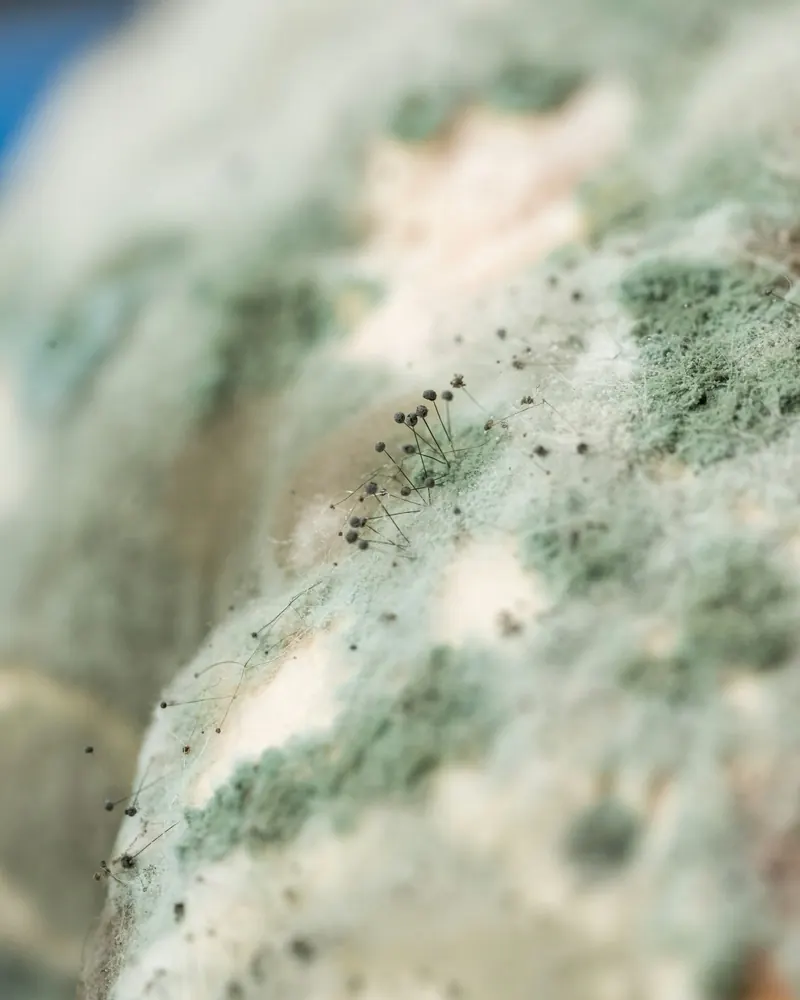
Choosing Toxic Mold Cleanup Help in Westlake
Toxic Mold Cleanup Experience
Seek references while asking about similar materials and access to the building.
Changes You Can Approve
Before proceeding, settle how explanations of additional work and newly found damage will be given.
A Clear Point of Contact
Establish who answers your questions during cleanup and who is leading the cleanup crew.
Product Information
Ask for product names and any access restrictions before agreeing to treatments.
When You May Need Toxic Mold Cleanup in Westlake, CA
Point out where you saw the problem. Tell the assessor about any changes preceding it.
Toxic Mold Concerns After a Leak
Give the date of the leak and any earlier drying work.
Odor Without Visible Growth
Record recurring odor locations and times, including following rainfall or cooling cycles.
Dark Growth on Drywall
Mention any stains near pipe openings or appearing on both wall faces.
Growth in Separate Rooms
Identify all rooms with damage so the inspection extends beyond the initial patch.
Preparing for Your Toxic Mold Assessment in Los Angeles County
Prepare for the assessment without disturbing damaged materials.
Call (844) 352-3560- Stop water when safe. Stay clear of electrical equipment and standing water.
- Leave growth undisturbed. Leave moldy drywall alone; avoid scraping, sanding or pulling the material yourself.
- Limit access. Exclude children and pets, and close the room when safe to do so.
- Keep suspect HVAC equipment off. Your building can receive spreading mold from a contaminated system, EPA explains.
- Document from outside the area. Photograph damage and note dates of water intrusion before materials move.
How Much Does Toxic Mold Removal Cost in Westlake, CA?
You will find general remediation costs and black mold prices below, rather than a dedicated toxic mold service rate. Compare the scope behind each range. Avoid adding them together.
Black mold (Stachybotrys chartarum), average removal
$800 to $7,000 per jobSource: Fixr, Mold Remediation Cost (checked 2026-10-23)Black mold inspection
$600 to $800 per inspectionSource: Fixr, Mold Inspection Cost (checked 2026-10-23)Typical national range, average $3,500
$1,500 to $9,000 per jobSource: Fixr, Mold Remediation Cost (checked 2026-10-23)Understanding Changes to Your Cleanup Cost
- Material removal and disposal
- Containment and HEPA filtration
- Affected area and rooms
- Access to hidden growth
- Drying, testing and separate repairs
How to Use National Price Guides
No site visit was used for these ranges, which are drawn from published national cost guides. Your property price is set after an on-site assessment and should be explained before work starts.
Ask about cost: (844) 352-3560Your Payment Planning for Toxic Mold Cleanup in California
Have your insurer evaluate coverage using both your policy terms and the water damage cause you reported.
Rental Responsibilities
Under California's housing law, visible mold found by a health officer or code enforcement officer can make a rental substandard. Renters can contact their local health or code enforcement department to ask for an inspection.
Toxic Mold Insurance Claim Questions
Ask about insurance coverage, your deductible, mold sublimit and any authorization needed before work.
Disclosure After Cleanup
California's Toxic Mold Protection Act includes a landlord written-disclosure section (Health and Safety Code 26147). By its own wording it applies only after the state adopts mold exposure standards, and the state health department has said it could not set them.
Separating the Charges
Request separate charges for inspection, cleanup, moisture repair and rebuilding.
Your Greater Los Angeles Guide to the Toxic Mold Removal Process
Check the order of work so you understand when each cleanup stage is done.
Mold Inspection and Moisture Mapping
A moisture meter and visual inspection establish your work area. Plan moisture repairs before proceeding.
Toxic Mold Containment
Work-zone separation uses negative air pressure, appropriate protective equipment and poly sheeting as a containment barrier.
Controlled Material Removal
A HEPA air scrubber is an air filtration device used to limit airborne mold spores during bagging and drywall removal.
Surface Cleaning
Surface cleaning and a HEPA vacuum may form part of the assessed scope. Cleaning remains necessary despite antimicrobial treatment.
Drying and Moisture Readings
A dehumidifier, along with carefully controlled air movers, may be among your drying equipment. Document moisture readings before cavities are closed.
Before Reopening: The Final Area Check
Keep containment in place until final cleaning and the specified post-remediation verification are complete. Arrange clearance testing through an independent assessor.

Discuss Toxic Mold Removal in Westlake
Call whenever you need. Your call reaches a toxic mold removal specialist who hears your concerns and explains the process ahead.
Understanding Toxic Mold Concerns Throughout Greater Los Angeles
How someone will react to mold cannot be determined through an assessment of your building.
People at Greater Risk
People with weak immune systems, asthma or lung disease are more at risk, according to CDC.
Toxic Mold and Surface Treatments
Killing mold alone is insufficient, says EPA. Removal is important because mold can trigger allergic reactions even when dead.
Mold and Sensitive People
CDC identifies mold as a possible trigger for allergy symptoms and asthma symptoms in some people.
Can you clean it yourself? For areas below about 10 square feet, EPA says cleaning can often be done by the homeowner. Professional assessment is needed when larger areas, contaminated water, sewage or HVAC systems are involved.
Choosing Materials to Retain at Your Los Angeles County Property
To decide what is cleanable, consider the condition of each material alongside its porosity. Your assessment should explain why.

Non-Porous Surfaces
- You may be able to clean metal, glass and glazed tile
- Assess nearby joints and backing on their own
Porous Wood Framing
- Wood in sound condition may allow cleaning and drying
- Decide whether to keep damaged framing after assessing the damage
Other Porous Materials
- Mold-affected ceiling tiles, drywall and insulation might require removal
- You may need to discard padding and carpet
- Assess furniture and fabrics individually
Understanding What Changes Your Los Angeles County Cleanup Schedule
Request milestones based on your site's conditions and revised information whenever the work area changes.
- Access and discovery: An agreed opening for inspection can uncover additional damage and make a scope revision necessary.
- Consider how long it takes to dry: A promised date cannot establish readiness for the next stage; material moisture readings do.
- Repair handoffs: Plan leak repair alongside any independent assessment and rebuilding, then book the next trade.
Indoor Air Quality and Moisture Control in Los Angeles County
Ask to have damp spaces or areas still inaccessible reassessed if you notice a lingering musty smell after cleanup. Fragrance is no proof that removal succeeded.
EPA recommends indoor humidity below 60 percent, ideally 30 to 50 percent. Correct the water problem or mold can return.

Scope and Repair Planning
Use the full toxic mold removal guide to prepare questions about the assessment, scope and next steps for your property.
Read the toxic mold removal guidePlanning Toxic Mold Removal in Westlake
Your property condition cannot be inferred from housing figures that describe the surrounding area. Use assessment findings to organize access, records and repairs for moisture problems.
Census ACS 2024 5-year (tables B01003, B25003, B25035, B09021 and B25024). Area estimates do not establish conditions at an individual property.
Within Westlake, even adjoining properties can manage water differently, so inspection should focus on the specific roof, pipe, drainage point, or humidity problem.
Your property needs a moisture-specific plan that follows the leak into nearby walls, floors, ceilings, insulation, or framing before removal limits are set.
Local Toxic Mold Removal Information for Westlake
You can ask about mold cleanup in nearby communities and ZIP codes during the call.
Toxic Mold Removal in Locations Near Westlake
ZIP codes
Common Questions About Toxic Mold Removal in Westlake
Do I need toxic mold testing before removal in Westlake?
When you can see growth, EPA generally says no. Check what decision depends on air sampling prior to paying for the sampling. Seek an explanation of lab results plus details on sampling methods and locations. No federal indoor mold limit exists against which you could use a result to certify your home.
What should a tenant in Los Angeles County do to report suspected mold?
Notify your landlord or property manager in a dated message describing visible damage, the affected room and the known history of leaks. Request an inspection and an access arrangement, and keep copies of replies. Find out who coordinates work affecting shared spaces or adjacent units. Use local housing guidance if the problem remains unresolved.
After cleanup, what records do I need to retain?
Group the approved changes, before-and-after photos and agreed scope with invoices and moisture readings. Include leak-repair documentation and any sampling report showing the sampling dates and locations. Request documentation of areas that could not be reached or work left unfinished, allowing future assessors or repair contractors to understand the completed job's limits.
Can I continue living at home throughout the work?
Request planning for your property's occupancy before the job starts. Include sleeping-area, exit and bathroom access in discussions about shared heating or cooling. Ask who will notify you about access changes and what conditions could mean moving out temporarily. A shut door alone cannot settle whether you may stay.
What do I need to ask insurance before throwing materials away?
Ask which evidence your insurer needs ahead of taking damaged belongings or building materials away from the property. Ask how to send receipts and document disposal, and whether an adjuster must view them first. Retain your claim number with project documentation and dated responses, while avoiding any assumption that payment has approval.
Is wall rebuilding part of toxic mold removal?
Do not assume rebuilding is included. Check if work stops at dry, cleaned surfaces or includes flooring, paint, insulation and drywall too. Name who will complete each repair and arrange the handoff. Clarify how finding hidden damage during removal affects your agreed scope.
Questions About Toxic Mold Removal in Los Angeles County?
Get calm, practical guidance about toxic mold removal, with calls answered 24 hours a day.